
Research and development
Applied Research That Ends Up in Engineering Practice
Focus areas
What we are working on
 01
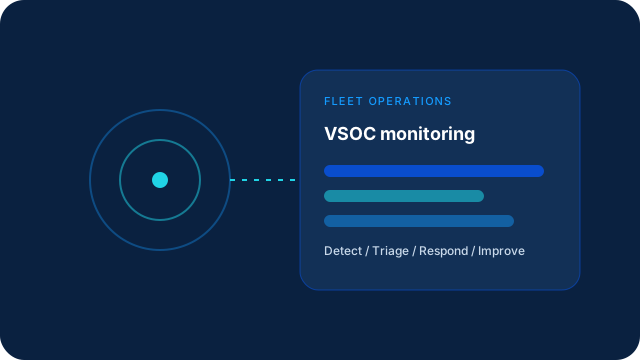
01Intelligent vehicle threat detection
Detection approaches that separate genuine security events from normal vehicle behaviour across diverse fleets.
 02
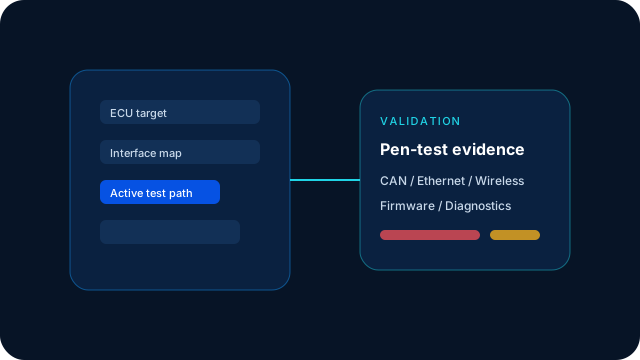
02Automated automotive security validation
Reducing the manual effort in security testing so validation can run repeatedly across ECU variants.
- 03
Connected fleet resilience
How connected fleets absorb, detect, and recover from security events without disrupting operation.
 04
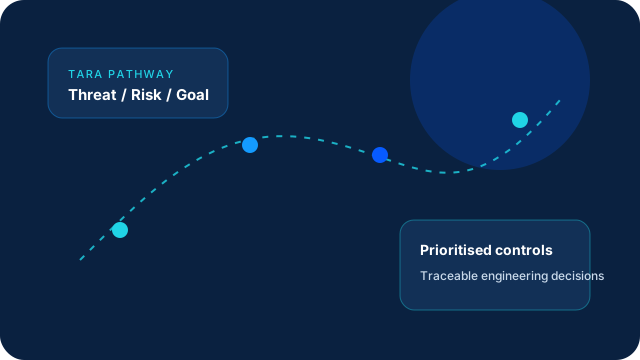
04AI-assisted cybersecurity engineering
Applying machine learning to analysis and prioritisation tasks where engineering judgement remains in control.
 05
05Regional mobility cybersecurity research
Security research shaped by the mobility, climate, and infrastructure conditions of the region.
Research model
How research reaches production
- 01
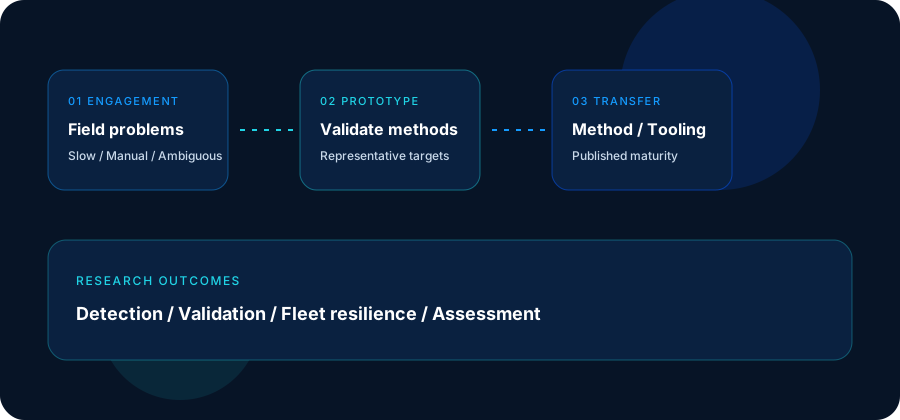
Problems from engagements
Research topics come from work that was slow, manual, or inconclusive during real engineering and testing engagements.
- 02
Prototype and validate
Approaches are prototyped and tested against representative targets rather than published as untested proposals.
- 03
Transfer into practice
What survives validation becomes method, tooling, or a product capability with a published maturity status.
Qatar programme
Applied automotive cybersecurity R&D in Qatar
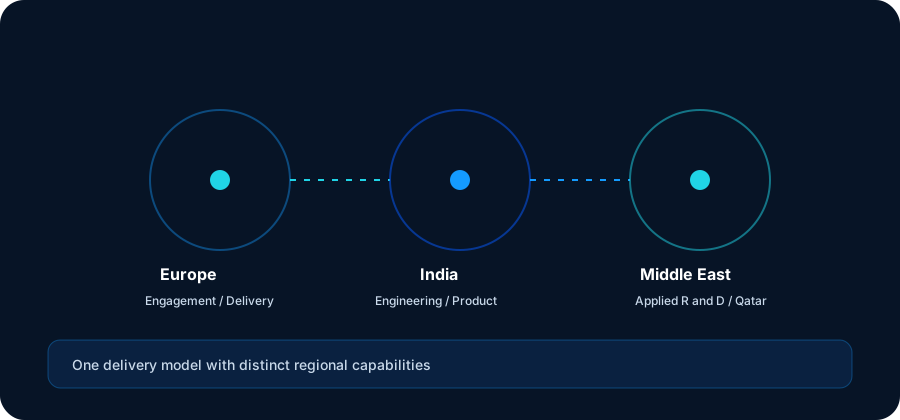
Our Qatar programme concentrates on intelligent security assessment, threat detection, and mobility resilience, with capability development alongside the research itself.
Explore the Qatar R&D initiative
Collaboration formats
- Joint applied research projects
- Institutional and academic collaboration
- Industry validation of research output
- Capability development and knowledge transfer